Wonderful news!

Updates on Washington Anxiety Center! Immediate openings!

Email us at admin@washingtonanxietycenter.com if you are interested!

Capitol Hill, DC Location

  • In-person adult-NO WAIT
  • In-person children/adolescent-  NO WAIT, 2 spots available with Dr. Wahl
  • In-person children/adolescent after school- 1-3 week wait
  • Teletherapy Adults-NO WAIT
  • Teletherapy Children/Adolescents-NO WAIT (2 spots available with Dr. Reeder)
  • Intensives- 2-3 week wait
  • Neuropsychology Assessment–4 week wait.

Old Town, Alexandria VA Location (Neuropsychology appts only)-4 week wait

Updates on Washington Anxiety Center! Accepting new patients! —————————————-Email us at admin@washingtonanxietycenter.com if you are interested!

Capitol Hill, DC Location

  • In-person adult- 1-3 week wait
  • In-person children/adolescent-  NO WAIT, 2 spots available with Dr. Wahl
  • In-person children/adolescent after school- NO WAIT, 2 spots available with Dr. Wahl
  • Teletherapy Adults-NO WAIT (2 spots available with Dr. Henderson; 1 with Dr. Worden)
  • Teletherapy Children/Adolescents-NO WAIT (1 spot available with Dr. Carlson)
  • Intensives- 3-4 week wait.
  • Neuropsychology Assessment–6 week wait.

Old Town, Alexandria VA Location (Neuropsychology appts only)

  • 4 week wait

Middle School Mean Girls

Understanding the Dynamics of Adolescent Social Hierarchies

Middle school is a transformative period in the lives of young adolescents. It is a time of significant physical, emotional, and social change, where students begin to navigate more complex social structures. One of the most notorious phenomena during this stage is the emergence of “mean girls.” These are typically cliques of girls who engage in behaviors intended to bully, exclude, or demean their peers.

The Psychology Behind Mean Girls

The behaviors exhibited by mean girls are often rooted in a desire for social dominance and control. During early adolescence, the need for acceptance and belonging becomes paramount. Girls may form tight-knit groups where they feel secure, but these groups can also become exclusive and hierarchical. There are three types of identified aggression: relational aggression, social aggression and physical aggression.

Relational Aggression

Relational aggression involves harming someone by damaging their relationships or social status. This can include spreading rumors, excluding someone from a group, or manipulating friendships. The goal is to isolate the victim and undermine their social connections. This is your typical in-group/out-group scenario.

Social Aggression and Physical Aggression

Social aggression, on the other hand, is more overt and includes actions such as name-calling, public humiliation, and verbal insults. While both forms of aggression are harmful, relational aggression can be particularly insidious because it is often less visible to adults and can persist over long periods.

Physical aggression can be overt physical contact (e.g., punching or slapping someone) to covert (bumping into someone on purpose, hitting a lunch bag out of their hands). This is what most people think of when they think of aggression, but “mean girl” aggression falls more often into the two former categories.

Identifying the Signs

Parents, teachers, and school counselors must be vigilant in identifying the signs of mean girl behavior. Some common indicators include:

  • A student suddenly becoming withdrawn or anxious.
  • Frequent conflicts or changes in friendship groups.
  • Reports of rumors or gossip circulating about a particular student.
  • Visible distress or upset following interactions with certain peers.

The Impact on Victims

The effects of being targeted by mean girls can be profound and long-lasting. Victims may experience a range of emotional and psychological issues, including:

  • Low self-esteem: Constant negative feedback and social rejection can erode a young person’s sense of self-worth.
  • Anxiety and depression: The stress of navigating a hostile social environment can lead to mental health issues.
  • Academic decline: The emotional toll of being bullied can impact a student’s ability to focus and perform well in school.
  • Social withdrawal: Victims may become isolated, avoiding social interactions and extracurricular activities.

Strategies for Prevention and Intervention

Addressing the issue of mean girls in middle school requires a multifaceted approach involving students, parents, educators, and the broader school community. Some effective strategies include:

Promoting a Positive School Climate

Creating an inclusive and respectful school environment can deter mean girl behavior. This includes implementing anti-bullying policies, promoting diversity and inclusion, and encouraging positive peer interactions.

Empowering Bystanders

Bystanders play a crucial role in the dynamics of bullying. Educating students about the impact of bullying and empowering them to stand up against mean girl behavior can help create a culture of accountability.

Providing Support for Victims

It is essential to offer support and resources to students who have been targeted. This can include counseling services, peer support groups, and opportunities for building positive relationships. It is essential that parents and teachers stay away from victim blaming (e.g., saying things such as, well, did the student at hand cause another one to get aggressive?)

Educating Parents and Teachers

Awareness and education are key to prevention. Providing training for parents and teachers on recognizing and addressing mean girl behavior can equip them with the tools to intervene effectively.

Encouraging Open Communication

Fostering an environment where students feel comfortable discussing their experiences is vital. Regular check-ins, anonymous reporting systems, and open-door policies can help students voice their concerns without fear of retribution.

As a parent it is also important to remember that your child’s perspective, while valid, is not only the only one, and could be biased. It is important to take a look at the scenario with as objective eyes as possible. If you are not sure who is promoting the “mean girl” behavior, it could be your child.


Is your child prepared??

As part of our “Life Prep” program, we encourage parents and young teens and adults alike to start preparing for launching as a successful adult at a young age.

Take a look at our “Life Pre” program; on sale during the holiday season through new years for $180 for all 8 sessions! Contact Dr. Kaplan at admin@washingtonanxietycenter.com if you are interested.

Here’s a great list to see if your child is prepared:

  1. Do they know how to make a phone call?
  2. Do they know how to book a doctor’s appointment for themselves?
  3. Do they know how to make a meal independently?
  4. Do they know how to shake hands properly?
  5. Do they know how to interview for a job?
  6. Do they know how to open a bank account? Write a check? Balance a checkbook?
  7. Do they know how to do dishes? Complete household chores independently?
  8. Do they know when to seek out help from others when needed? How to seek out professional services?
  9. Do they know how to address their emotions?
  10. Do they know how to problem solve?
  11. Do they know when to admit a mistake and how to communicate it?

This isn’t even a full list! Take the time during the holiday season to think this over! We are here to help!

Dr. Kaplan

Life-Prep! An 8-session course taught by Dr. Kaplan herself! Available now!

Fifteen-years ago Dr. Kaplan began her clinical work with young adults who had “failed to launch” successfully into independent life. In working with these individuals, she noticed despite the best and most current evidence-based treatment available, progress was taking a significant amount of time and effort. These individuals struggled to gain traction in financial, housing, employment, health, and social independence. 

According to the Pew Research Center (2021), 52% of young adults (ages 18-24) are living with their childhood caretakers, a number which is now higher than during the Great Depression. Around 16% cannot gain any employment (Part-time or otherwise). This number has been steadily increasing over the years (e.g., in 2016 was approximately 45%). While the numbers increased during the COVID-19 pandemic, it was not over and above what the trends had projected. The pandemic merely highlighted young adults failing to leave the home and gain independence as an issue of increasing alarm and concern.

The problem of “failure to launch” is well-covered by both mainstream media as well as the mental health community with Scientific AmericanGeorgetown University, and Psychology Today.

The Life Prep Program is Based on Actual Patient Feedback 

During our many weekly staff meetings, the clinicians at our practice would repeatedly say “failure to launch” issues could have been prevented if at a younger age (13-21) these individuals could have developed a psychological, skills-based tool kit that would help to lessen the concerns later on or even prevent them entirely. Dr. Kaplan listened and incorporated her clinical experience, and those on her staff, to develop the “Life-Prep Program.” She combined the opinions and needs of individuals experiencing “failure to launch” and their parental support systems in this prevention and foundations program.

How the Life Prep Program Works

The Life-Prep program is an 8-week, interactive, course that covers the following topics in depth. 

Week 1: Learning our own strengths, weaknesses, and limitations

Week 2: Learning adult responsibilities

Week 3: Distress Tolerance

Week 4: Managing your social connections and expectations

Week 5: Problem solving and opportunities for “successful failures”

Week 6: Decision-making and organizational skills

Week 7: Using “skills” rather than “passion” to determine life satisfaction

Week 8: Goal setting: Making specific but flexible plans

Click here to purchase! Just click here: https://lifeprep.teachable.com/p/life-prep-foundations-program1

For the Cost of 1 session, you receive 8 sessions worth of skills!

We hope you enjoy and value the class like we do!

Dr. K

Introducing the Life-Prep Program!

After 3 years of pulling insane hours and running a full-time practice, the Life-Prep program is finally available!

After treating “failure to launch” clinically work for over 15 years, I was personally able to spend time and reverse engineer the skills and principles for a proactive approach for everyone (not just a clinical population).

The program is intended for 13-25 year olds to learn the psychological skills to be proactive in becoming a successful and independent young adult after college (or post-grad program). 13/14 is the ideal age to do the program.

What I learned in this process is that schools thought parents were teaching these skills and parents thought schools were when, in fact, no one was! Ball was dropped!

It comes in an individual format (8 weekly sessions), taught by myself, and also a version available for schools to purchase as part of their health-based curriculum.

It’s actually really reasonable (cheap) for the cost of 8 sessions. We wanted to make this accessible to everyone. I hope you take a look!

https://www.washingtonanxietycenter.com/life-prep-program.html

Thank you for the support and even reading this!

Dr. Kaplan

Director and Founder of the Washington Anxiety Center of Capitol Hill

New offer from WACCH! Neuropsychology testing appointments (ADHD and Autism included) immediately available

What is Neuropsychological Testing?

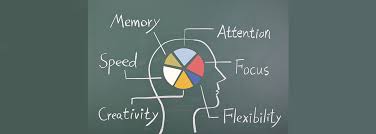
A series of cognitive tests (some administered on paper and some computer) that examine cognitive functioning (memory, executive functioning, processing speed, intellectual functioning, and behavioral/emotional functioning).

All testing in our practice is completed exclusively by our doctoral-level, licensed psychologists. Neuropsychologists require an extra, 2-year post-doctoral training beyond their 1-year residency and 4-6 years of doctoral work.

Clinical Concerns addressed with Neuropsychological Testing:

  • ADHD (Hyperactive-Impulsive Type, Inattentive Type, or Combined Type) 
  • Learning disability testing (dyslexia, dysgraphia, dyscalculia, visual processing difficulties, auditory/phonological processing difficulties).
  • Autistic spectrum testing (ASD)
  • ADHD testing
  • Evaluation of gifted individuals with learning difficulties (twice exceptional or ‘2e’)
  • Intellectual Disability Testing (Including therapy available as well)
  • Medical conditions (e.g., genetic/chromosomal disorders, pediatric stroke, birthing injuries, etc.)
  • Testing for anxiety and depression or mood regulation disorders
  • Post-concussion and post Traumatic Brain Injury

What does the Neuropsychological Testing Process Involve?

  1. A Clinical Interview with our patient (and caregiver) (1-2 hours)
  2. Testing with our patient (2-5 hours)
  3. Analysis of Data from testing and Report Writing by the Neuropsychologist (7-10 hours on their own)
  4. Review of written report and recommendations/accommodations with the patient and caregiver (1-2 hours)

Most importantly, psychological testing data are used to create an evidence-based action plan and recommendations. We will work with you and your school to best ensure our recommendations can be accommodated (sometimes in the form of a 504, IEP, or equivalent formal documentation). 

Call us/email today to book an appointment! We have no waitlist!

(202) 768-6494 or email at admin@washingtonanxietycenter.com

WACCH is adding 1x yearly mental health wellness exams! Book your appointment today!

WACCH is offering yearly, one time appointment, wellness checks!!!!!

The Washington Anxiety Center of Capitol Hill and of Old Town, Alexandria will now be offering wellness checks. These appointments are 90-minutes in length and will be with a licensed clinical psychologist of at LEAST 10 years clinical experience. It takes a long time and years worth of clinical work to be considered an anxiety and depression expert, which ALL of our psychologists meet. It is important to remember as a consumer and client, that NOT all mental health providers are at this expert level. 

What is a WELLNESS EXAM?

Very similar to an adult or a child/teens’ yearly physical! When you go in for your physical, your medical doctor will examine your bloodwork, your heart rate, your blood pressure….but how many of them even check the status of your mental health? Unfortunately, the research says that only around 5% of Primary Care Clinicians and Pediatricians also examine your mental health during your yearly physical exams.

Our brains are the only part of our body that cannot be replaced, so why are we NOT spending more time focusing on our mental health??

During your wellness exam at WACCH, we will examine your past and current history of your mental health AND provide you with recommendations (whether to begin treatment OR ways to maintain your current good mental health status).

How often do adults or children/teens need a mental health wellness check?

We recommended one wellness check-up every 2-5 years.

However, if you have experienced a recent loss, uptick in your anxiety, or you are noticing something feels generally “off,” it is good to get a yearly wellness check.

Also, if you have had a history of anxiety and depression, it is highly recommend to get a yearly wellness and maintenance appointment.

What will I get from my appointment?

You will have a better and thorough understanding of your mental health needs and status. You can also request a copy of the psychological written evaluation at the termination of the appointment.

What happens if I need to be seen regularly by a psychologist?

We will do our best to have the psychologist who evaluated you for the wellness exam be your continuing treatment provider. However, if they are unable due to scheduling reasons, you will be assigned a psychologist at our center as soon as possible. 

Email us at admin@washingtonanxietycenter.com or call at (202) 768-6494 if you are interested!